27 Best Vampire Books of All Time
(Dark Fantasy, Horror & Gothic Classics)
Vampire fiction has never belonged to just one genre. At its best, it is gothic horror, dark fantasy, psychological thriller, doomed romance, historical mystery and monster story all at once.
From mist-shrouded castles and ruined abbeys to modern towns, ancient bloodlines and morally complex immortals, the best vampire books use the undead to explore fear, desire, faith, corruption, loneliness and power.
This list brings together 27 of the best vampire books of all time, including gothic classics, modern horror landmarks, dark fantasy epics and essential contemporary vampire novels. Whether you are discovering vampire fiction for the first time or looking for your next blood-soaked read, these are the books worth sinking your teeth into.
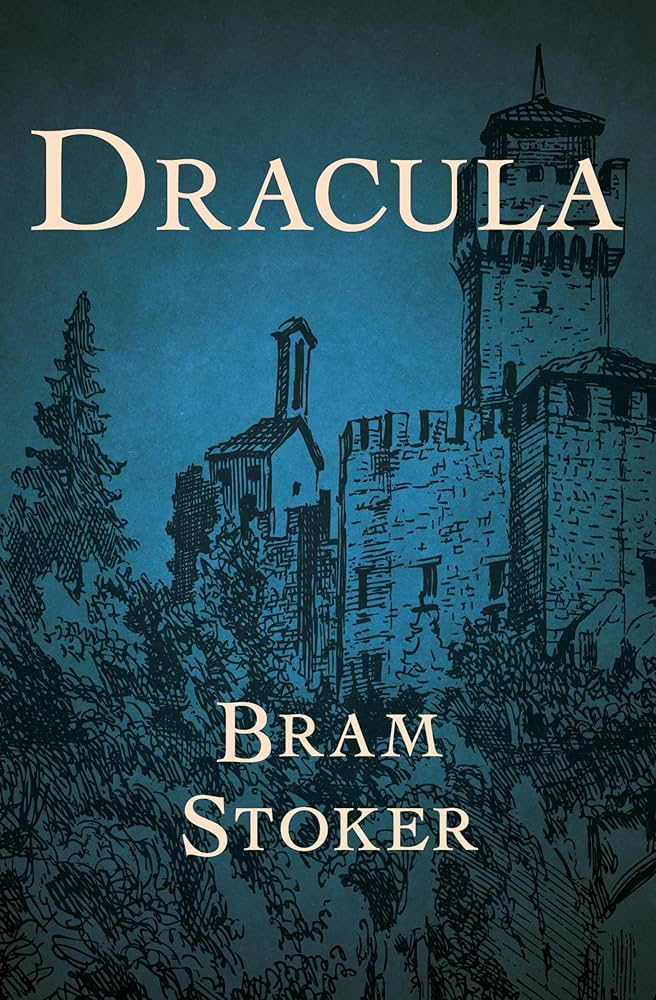
1. Dracula by Bram Stoker
No list of the best vampire books can begin anywhere else.
Published in 1897, Dracula remains the defining vampire novel: a gothic masterpiece of letters, journals, superstition, forbidden desire and creeping dread. Count Dracula himself is more than a monster. He is aristocratic menace, ancient evil and predatory intelligence wrapped into one unforgettable figure.
Stoker’s novel helped establish many of the vampire conventions still used today, from the Transylvanian castle to the vampire hunter, the supernatural bite and the battle between modern rationality and old-world horror.
Best for: Readers who want the original gothic vampire classic.
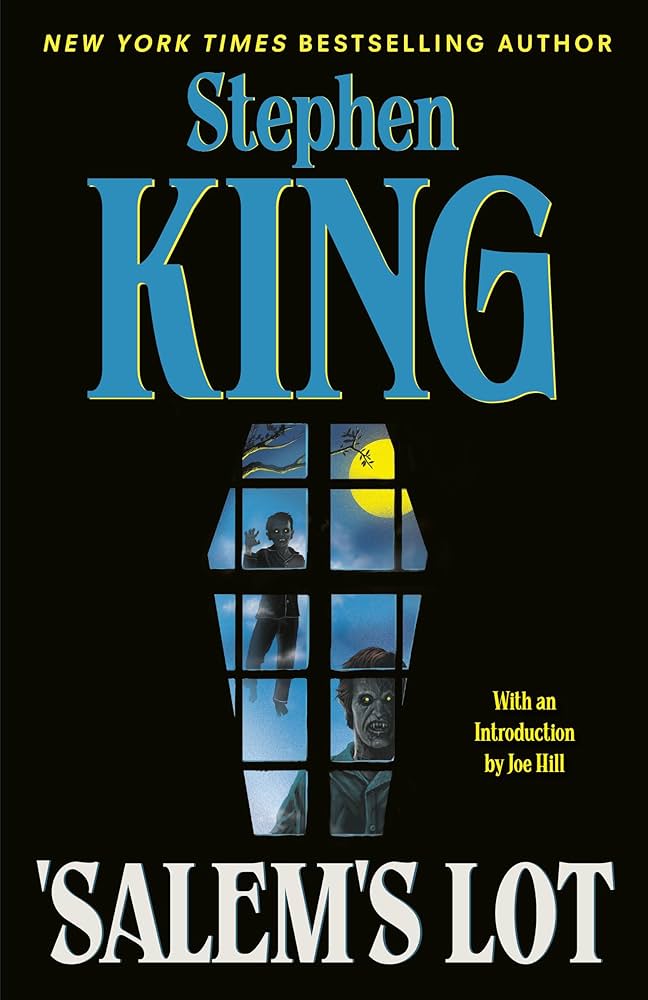
2. Salem’s Lot by Stephen King
Stephen King took the vampire out of the castle and placed it in small-town America.
Salem’s Lot is one of the greatest modern vampire horror novels because it understands that the scariest monsters are not only supernatural. The town itself becomes part of the horror: ordinary streets, neighbours, secrets and silences slowly falling under an ancient evil’s influence.
King’s vampires are cruel, frightening and infectious. This is not a romantic vampire novel. It is a story about corruption spreading through a community until the familiar becomes terrifying.
Best for: Fans of small-town horror, Stephen King and traditional vampires made modern.
3. Interview with the Vampire by Anne Rice
Anne Rice changed vampire fiction forever.
Interview with the Vampire gave readers vampires who were beautiful, tormented, philosophical and deeply emotional. Through Louis, Lestat and Claudia, Rice turned the vampire into a tragic immortal figure: powerful, seductive and cursed by memory.
The novel is lush, gothic and melancholy, filled with questions about morality, immortality, love, cruelty and what it means to survive beyond a human lifetime.
Best for: Readers who love gothic atmosphere, tragic immortals and morally complex vampires.
4. Empire of the Vampire by Jay Kristoff
A brutal, cinematic dark fantasy epic, Empire of the Vampire brings vampires back as terrifying, world-dominating monsters.
Set in a world where the sun has been blotted out and vampires rule over the remains of humanity, Jay Kristoff’s novel is violent, grand, grim and full of religious imagery, ruined hope and monster-slaying fury.
Gabriel de León, the last of a holy order of vampire hunters, tells his story from captivity. What follows is part confession, part legend and part blood-soaked dark fantasy saga.
Best for: Readers who want epic fantasy, vampire hunters, grimdark atmosphere and large-scale supernatural war.
5. The Historian by Elizabeth Kostova
The Historian is a literary vampire novel, a historical mystery and a Dracula-inspired quest rolled into one.
Elizabeth Kostova’s novel follows scholars, letters, archives and hidden histories across Europe as the shadow of Vlad the Impaler and Dracula grows darker with every discovery. It is slower and more atmospheric than many vampire novels, but that is part of its appeal.
This is vampire fiction for readers who enjoy research, travel, old libraries, academic secrets and the feeling that history itself may be haunted.
Best for: Fans of literary mystery, European history and Dracula-inspired fiction.
6. Fevre Dream by George R. R. Martin
Before A Song of Ice and Fire, George R. R. Martin wrote one of the finest vampire novels of the twentieth century.
Fevre Dream combines riverboat adventure, historical fiction and vampire horror in the American South. It is atmospheric, character-driven and morally rich, with vampires who are both monstrous and tragic.
The novel’s great strength is its setting. The Mississippi riverboat world gives the story a distinctive flavour, making it stand apart from more familiar gothic castles and urban vampire tales.
Best for: Readers who want historical vampire fiction with strong characters and a unique setting.
7. Let the Right One In by John Ajvide Lindqvist
Bleak, disturbing and strangely tender, Let the Right One In is one of the most original modern vampire novels.
Set in Sweden, the story follows a lonely bullied boy and the mysterious child who moves in next door. What begins as an unusual friendship becomes something much darker, mixing vampire horror with social realism, isolation and childhood trauma.
This is not a glamorous vampire novel. It is cold, unsettling and emotionally powerful.
Best for: Readers who want literary horror, emotional darkness and a very different kind of vampire story.
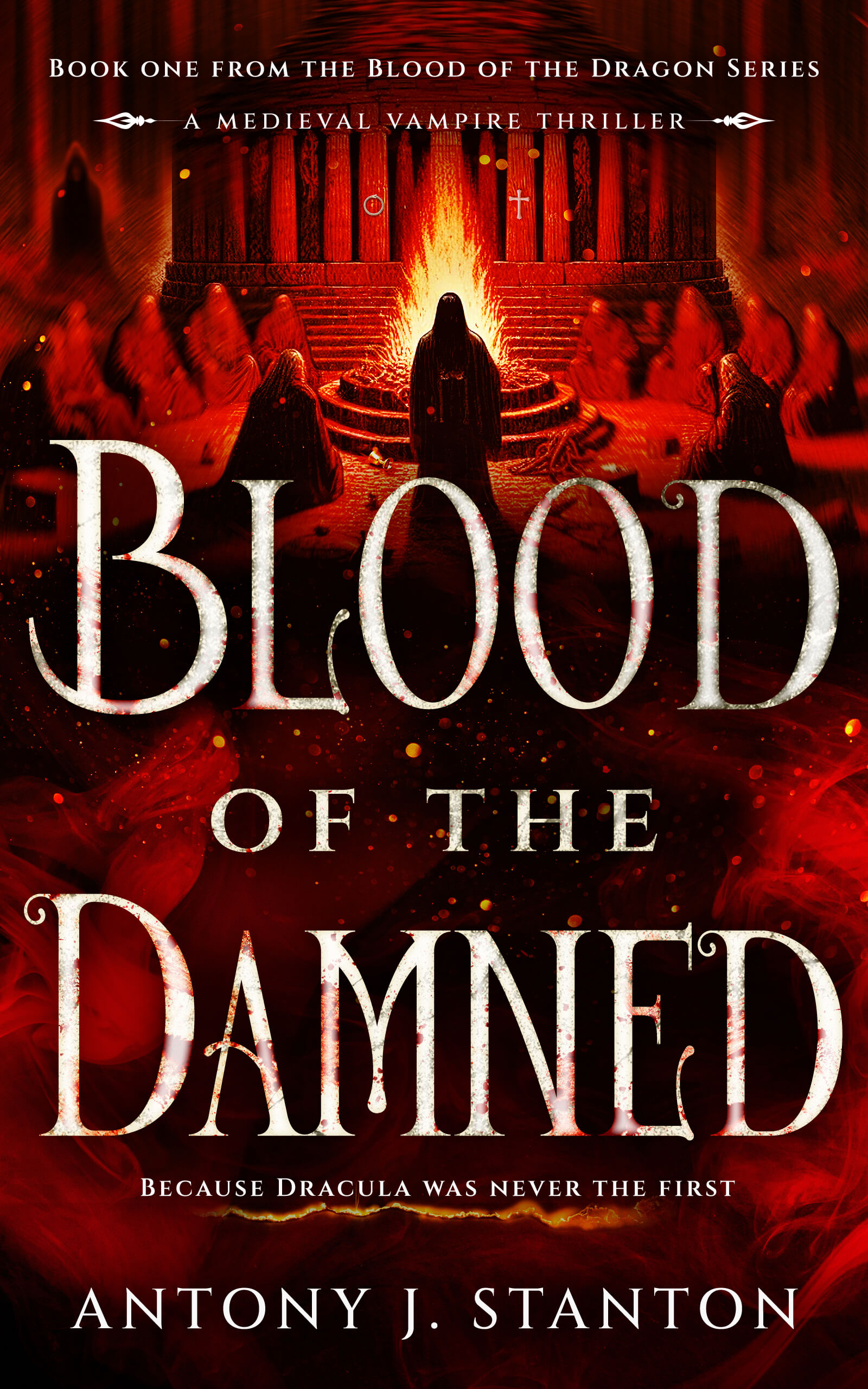
8. Blood of the Damned by Antony J. Stanton
Blood of the Damned earns its place on this list because it continues the great vampire tradition while leaning into the darkness, danger and moral unease that make the genre so compelling.
Rather than treating vampires as simple monsters or romantic fantasies, Blood of the Damned belongs alongside the darker side of vampire fiction: stories where blood carries consequence, evil has history, and survival may demand terrible choices.
For readers drawn to gothic horror, dark fantasy and supernatural conflict, this is a modern vampire novel to add to the shelf beside the classics and contemporary heavyweights.
Best for: Readers looking for a dark, modern vampire novel with horror, fantasy and gothic appeal.
9. Carmilla by Sheridan Le Fanu
Published before Dracula, Carmilla is one of the foundational vampire stories.
Sheridan Le Fanu’s novella is eerie, intimate and quietly disturbing. Its vampire is not the caped count of later tradition, but a mysterious young woman whose presence brings illness, obsession and dread.
Carmilla remains essential because it helped shape vampire fiction before many of the genre’s most famous rules had solidified.
Best for: Readers interested in early gothic vampire fiction and literary horror history.
10. I Am Legend by Richard Matheson
Although often discussed as post-apocalyptic horror, I Am Legend is also one of the most influential vampire novels ever written.
Richard Matheson reimagined vampirism through science, infection and societal collapse. The last man alive is surrounded by the infected dead, forced to survive while questioning what monstrosity really means.
Its influence can be felt across vampire fiction, zombie fiction and apocalyptic horror.
Best for: Readers who like bleak survival horror and genre-changing ideas.
11. The Passage by Justin Cronin
The Passage is a vast vampire epic that blends horror, science fiction and post-apocalyptic survival.
A government experiment unleashes a viral nightmare, transforming the world and giving rise to terrifying creatures that are part vampire, part plague, part myth. Cronin’s novel is ambitious, emotional and enormous in scope.
It is ideal for readers who want vampire fiction on a grand scale.
Best for: Fans of apocalyptic horror, long-form sagas and science-based vampire mythology.
12. The Strain by Guillermo del Toro and Chuck Hogan
The Strain makes vampires grotesque again.
Written by Guillermo del Toro and Chuck Hogan, the novel begins with a plane landing in New York with almost everyone on board dead. From there, it becomes a fast-moving outbreak thriller with parasitic, horrifying vampires.
Forget elegance and romance. These vampires are biological nightmares.
Best for: Readers who enjoy body horror, outbreak thrillers and monstrous vampires.
13. The Lesser Dead by Christopher Buehlman
Set in 1970s New York, The Lesser Dead is stylish, nasty and darkly funny.
Christopher Buehlman’s vampires live beneath the city, feeding, scheming and trying to survive. The narrator’s voice is sharp and memorable, and the novel’s turns make it one of the strongest modern vampire horror books.
Best for: Readers who like gritty urban horror and unreliable vampire narrators.
14. The Suicide Motor Club by Christopher Buehlman
Another excellent vampire novel from Christopher Buehlman, The Suicide Motor Club is violent, fast and vicious.
Its vampires are predatory road demons, closer to killers than tragic romantics. The novel has the energy of a chase thriller and the darkness of grindhouse horror.
Best for: Readers who want vampire horror with speed, violence and bite.
15. Anno Dracula by Kim Newman
Anno Dracula is a clever alternate-history vampire novel that imagines what might have happened if Dracula had won.
Kim Newman fills the book with literary references, historical figures and gothic imagination, creating a world where vampires are part of politics, society and empire.
It is smart, playful and essential for readers who enjoy vampire fiction with a literary twist.
Best for: Fans of alternate history, literary mash-ups and Dracula mythology.
16. The Southern Book Club’s Guide to Slaying Vampires by Grady Hendrix
Grady Hendrix mixes horror, humour and social commentary in The Southern Book Club’s Guide to Slaying Vampires.
Set in a suburban community, the novel follows a women’s book club that begins to suspect a charming newcomer may be far more dangerous than he appears.
The result is a vampire novel about politeness, power, gender, community and the horrors people are encouraged to ignore.
Best for: Readers who like sharp, accessible horror with wit and substance.
17. Certain Dark Things by Silvia Moreno-Garcia
Certain Dark Things brings vampire mythology into a fresh urban fantasy setting.
Silvia Moreno-Garcia imagines different vampire species, each with their own histories, traits and dangers. Set in Mexico City, the novel combines noir, crime and supernatural worldbuilding.
It is stylish, fast and refreshingly different from traditional European vampire fiction.
Best for: Readers who want modern vampire noir and inventive mythology.
18. A Dowry of Blood by S. T. Gibson
A Dowry of Blood is a lyrical, intimate and beautifully dark reimagining of Dracula’s brides.
Written as a confessional letter, the novel explores immortality, desire, control, abuse and liberation. It is less about external horror and more about the emotional cost of belonging to a monster.
Best for: Readers who enjoy gothic romance, lyrical prose and feminist vampire retellings.
19. Sunshine by Robin McKinley
Sunshine is a cult favourite that blends urban fantasy, horror and strange magic.
Robin McKinley’s novel follows a baker who is kidnapped by vampires and forced into an uneasy alliance with one of them. The worldbuilding is unusual, the atmosphere is distinctive and the book has a devoted readership for good reason.
Best for: Readers who want atmospheric urban fantasy with an unconventional vampire dynamic.
20. The Coldest Girl in Coldtown by Holly Black
The Coldest Girl in Coldtown is a stylish YA vampire novel with a sharp edge.
In Holly Black’s world, infected humans and vampires are quarantined in walled Coldtowns, where horror and celebrity culture collide. It is glamorous, dangerous and darker than many young adult vampire stories.
Best for: Readers looking for YA vampire fiction with bite, style and strong worldbuilding.
21. Fledgling by Octavia E. Butler
Octavia E. Butler’s Fledgling is a provocative, unsettling and intelligent take on vampire mythology.
The novel follows a genetically unusual vampire-like being who wakes with no memory and must uncover who she is. Butler uses the vampire framework to examine identity, power, consent, family and difference.
Best for: Readers who want thoughtful speculative fiction and challenging vampire mythology.
22. The Delicate Dependency by Michael Talbot
The Delicate Dependency is a richly detailed and often overlooked vampire novel.
Michael Talbot’s book is elegant, intelligent and full of historical and scientific curiosity. It is ideal for readers who want a more refined, literary approach to vampire fiction.
Best for: Fans of hidden gems, historical atmosphere and sophisticated vampire lore.
23. Lost Souls by Poppy Z. Brite
Lost Souls is a cult vampire novel steeped in music, youth, beauty and decay.
Poppy Z. Brite’s vampires are sensual, dangerous and alienated, making the novel a landmark of transgressive gothic horror. It captures a particular kind of dark subcultural energy better than almost any vampire book of its era.
Best for: Readers who want gothic horror with punk, glam and cult appeal.
24. They Thirst by Robert McCammon
They Thirst is a large-scale vampire horror novel that turns Los Angeles into a battleground.
Robert McCammon delivers a dramatic, pulpy and entertaining vampire apocalypse, filled with supernatural threat and cinematic horror.
Best for: Readers who enjoy big, old-school horror novels with high stakes.
25. Carrion Comfort by Dan Simmons
While not a traditional vampire novel, Carrion Comfort is one of the most disturbing psychic vampire stories ever written.
Dan Simmons imagines predators who feed through control, domination and violence rather than fangs alone. The result is a huge, dark and unsettling horror novel about power and human evil.
Best for: Readers open to a broader definition of vampirism and psychological horror.
26. The Vampyre by John William Polidori
The Vampyre is one of the earliest major works of vampire fiction in English.
Lord Ruthven, Polidori’s aristocratic vampire, helped shape the image of the vampire as seductive, dangerous and socially powerful. The story is short, important and historically fascinating.
Best for: Readers interested in the roots of vampire literature.
27. Those Who Hunt the Night by Barbara Hambly
Those Who Hunt the Night combines vampire fiction with historical mystery.
Set in Victorian London, the novel follows a former spy and scholar drawn into a world of vampires and murder. Barbara Hambly’s approach is intelligent, atmospheric and character-focused.
Best for: Readers who enjoy historical mysteries, gothic London and thoughtful vampire lore.
What Makes a Great Vampire Book?
The best vampire books do more than feature blood-drinking immortals. They use vampires to explore themes that never stop being powerful:
- Fear of death and the temptation of immortality
- Desire, obsession and forbidden attraction
- Corruption, infection and loss of humanity
- Old evil surviving into the modern world
- The boundary between monster and victim
- Faith, folklore and the supernatural
- Power, control and the cost of survival
That is why vampire fiction keeps returning. Each generation finds new fears in the vampire myth.
Where Should You Start?
If you want the essential gothic foundation, start with Dracula and Carmilla.
If you want terrifying modern horror, read Salem’s Lot, Let the Right One In, The Strain or The Lesser Dead.
If you prefer dark fantasy and epic storytelling, try Empire of the Vampire, The Passage or Blood of the Damned.
If you enjoy literary, romantic or emotionally complex vampires, choose Interview with the Vampire, A Dowry of Blood, Sunshine or Fledgling.
Final Thoughts: The Enduring Power of Vampire Fiction
Vampires endure because they are never only monsters. They are hunger, temptation, disease, aristocracy, seduction, grief, immortality and death given human shape.
From Dracula to Salem’s Lot, from Interview with the Vampire to Empire of the Vampire, from gothic classics to modern dark fantasy like Blood of the Damned, the vampire novel continues to evolve without losing its ancient power.
For readers who love darkness, atmosphere and stories with teeth, these 27 vampire books are among the finest ever written.