Ultimate Guide to Vampire Fiction
Vampire fiction has fascinated readers for centuries. From ancient folklore and Gothic horror to brutal dark fantasy epics and modern supernatural thrillers, vampire stories continue to evolve while remaining one of fiction’s most enduring genres.
Whether you are searching for the best vampire books, exploring the origins of vampire mythology, or looking for dark and terrifying medieval vampire stories, this guide explores the history, evolution, themes, and greatest works of vampire fiction ever written.
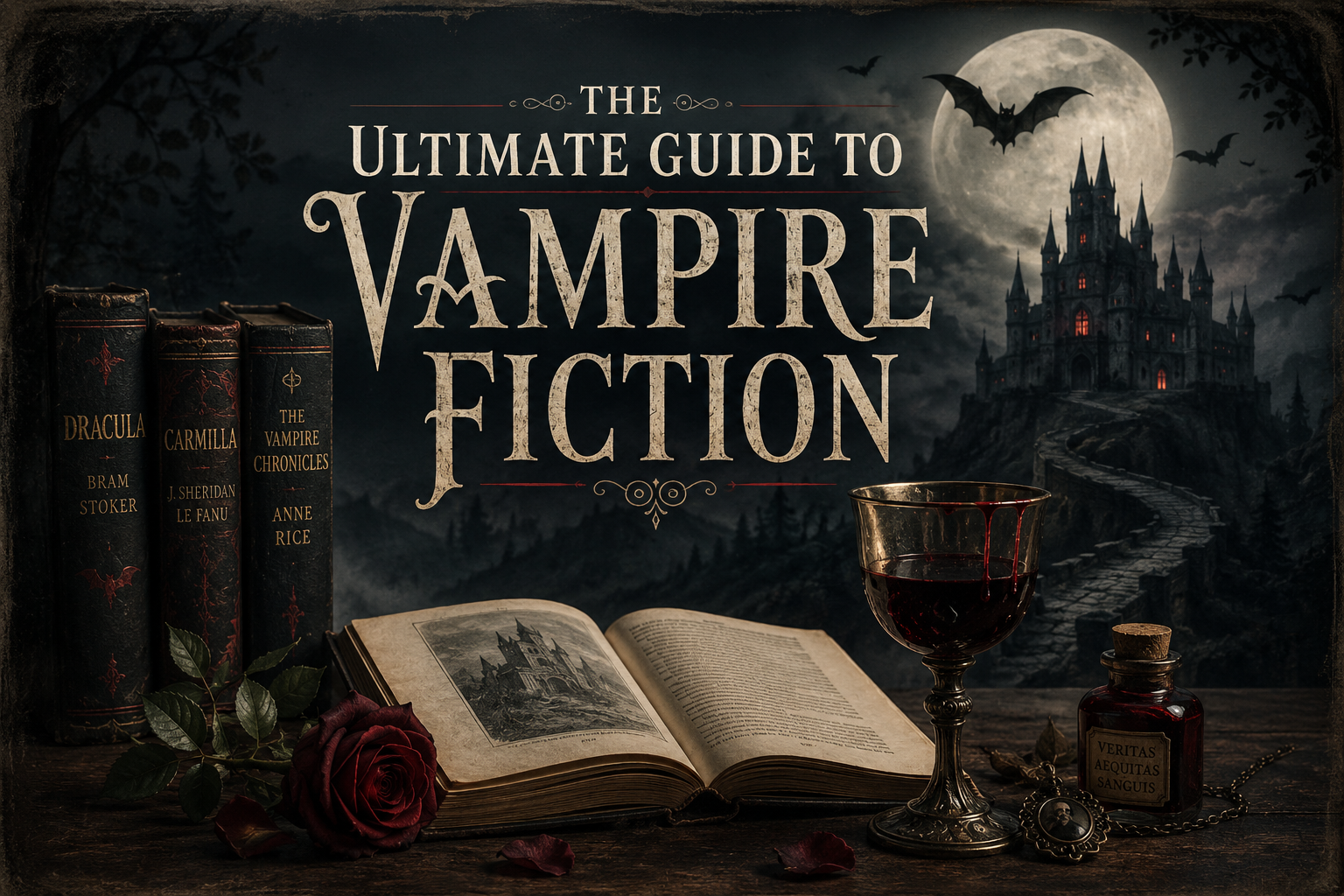
From Dracula to modern dark fantasy epics like Empire of the Vampire, vampire fiction continues to dominate horror and fantasy literature alike.
What Is Vampire Fiction?
Vampire fiction is a genre of literature centred around vampires — supernatural beings that survive by feeding on the blood or life force of others.
The genre blends elements of:
- Horror
- Gothic fiction
- Dark fantasy
- Historical fiction
- Romance
- Thriller
- Supernatural mythology
While modern portrayals vary dramatically, classic vampires are often depicted as:
- Ancient
- Predatory
- Aristocratic
- Immortal
- Cursed
- Seductive
- Monstrous
Vampire fiction frequently explores themes including:
- Death and immortality
- Corruption
- Religion and superstition
- Desire and temptation
- Fear of disease
- Power and control
- Humanity versus monstrosity
The Origins of Vampire Legends
Long before vampires appeared in novels, stories of blood-drinking creatures existed across Europe, Asia, and the Middle East.
Ancient cultures feared revenants, demons, and undead spirits believed to rise from the grave to torment the living.
Many vampire myths emerged from:
- misunderstandings of disease and decomposition
- fear of plague outbreaks
- unexplained deaths
- religious superstition
- folklore surrounding burial rituals
Eastern European folklore in particular heavily influenced the modern vampire archetype.
You can learn more in our full guide:
Related Article:
The Birth of Vampire Literature
The vampire first entered mainstream literature during the Gothic movement of the 18th and 19th centuries.
Early influential works included:
- The Vampyre
- Carmilla
These stories established many vampire tropes still used today:
- aristocratic vampires
- seduction
- castles and ruins
- nocturnal predators
- supernatural curses
Then, in 1897, Dracula transformed vampire fiction forever.
Count Dracula became the definitive literary vampire and helped establish the foundation of modern horror fiction.
Related Articles:
Why Dracula Changed Vampire Fiction Forever
Dracula remains one of the most influential horror novels ever written.
The novel combined:
- Gothic horror
- folklore
- psychological terror
- religion
- Victorian anxieties
- supernatural suspense
Dracula helped define:
- vampire weaknesses
- immortality mythology
- shapeshifting
- the vampire hunter archetype
- the battle between civilisation and darkness
Nearly every vampire story written since has been influenced by Dracula in some way.
The Evolution of Modern Vampire Fiction
Over time, vampire fiction expanded far beyond Gothic castles and Victorian horror.
Modern vampire stories now include:
- urban fantasy
- dark fantasy
- romance
- post-apocalyptic horror
- historical fantasy
- action horror
- supernatural thrillers
Writers increasingly reinvent the vampire myth to suit modern audiences.
Some portray vampires as:
- tragic immortals
- monstrous predators
- antiheroes
- political rulers
- ancient gods
- supernatural warriors
The Rise of Dark Fantasy Vampire Epics
In recent years, vampire fiction has increasingly merged with epic fantasy and grimdark storytelling.
Books like Empire of the Vampire helped popularise brutal medieval vampire worlds filled with war, betrayal, ancient curses, and collapsing civilisations.
This darker style combines:
- fantasy worldbuilding
- horror atmosphere
- violent conflict
- morally grey characters
- Gothic themes
Readers seeking brutal medieval vampire fiction may also enjoy the Blood of the Dragon series by Antony J. Stanton — a Gothic vampire horror saga blending alternate medieval history, dark fantasy, political intrigue, and ancient vampire mythology.
Related Articles:
- Dark Fantasy vs Horror Fantasy
- Best Medieval Vampire Books
- Best Books Like Empire of the Vampire
- Best Medieval Fantasy Books for Adults
The Most Important Themes in Vampire Fiction
Vampire stories endure because they reflect timeless human fears and desires.
Immortality
Vampires often represent humanity’s obsession with eternal life and the consequences that come with it.
Corruption
Many vampire stories explore how power slowly destroys morality.
Fear of Death
The undead embody humanity’s fear of mortality and the unknown.
Desire and Seduction
Vampires frequently blur the line between attraction and danger.
Isolation
Immortal beings often become detached from humanity over time.
Religion and Damnation
Classic vampire fiction heavily incorporates religious symbolism and spiritual conflict.
The Best Vampire Books of All Time
Some vampire novels have become timeless classics of horror and fantasy literature.
Popular examples include:
- Dracula
- Interview with the Vampire
- Salem’s Lot
- Empire of the Vampire
- The Historian
- Fevre Dream
Related Articles:
- Best Vampire Books Like Dracula
- Best Gothic Horror Novels
- Most Terrifying Vampires in Literature
Vampire Hunters and Their Lasting Appeal
No vampire story is complete without those who fight the darkness.
From Abraham Van Helsing to modern vampire hunters in fantasy and horror fiction, these characters represent humanity’s resistance against monstrous evil.
Related Article:
- Best Vampire Hunters in Fiction
Vampire Fiction Beyond Books
Vampire fiction has expanded far beyond literature into television, film, and gaming.
Influential modern adaptations include:
- Castlevania
- Nosferatu
- Interview with the Vampire
Related Article:
- Best Vampire TV Shows and Books
Why Vampire Fiction Never Dies
Unlike many horror creatures, vampires constantly evolve alongside society.
They can represent:
- disease
- aristocracy
- addiction
- sexuality
- immortality
- corruption
- loneliness
- power
Because vampire mythology is so adaptable, the genre continually reinvents itself for new generations.
That is why vampire fiction remains one of the most enduring and successful genres in literature.
Explore More Vampire Fiction Guides
Continue exploring:
- History of Vampires in Literature
- Origins of Vampire Legends
- Best Medieval Vampire Books
- Best Gothic Horror Novels
- Best Books Like Dracula
- Best Books Like Empire of the Vampire
- Dark Fantasy vs Horror Fantasy
- Most Terrifying Vampires in Literature
- Best Vampire Books of All Time