Origins of Vampire Legend
The vampire is one of humanity’s oldest and most enduring monsters. Long before the elegant Count Dracula stalked the pages of Victorian fiction, tales of blood-drinking spirits, restless corpses, and undead predators haunted civilizations across Europe, the Middle East, Asia, and Africa. The origins of vampire legend are rooted in humanity’s ancient fears of death, disease, decay, and the unknown.

Ancient Beginnings of the Vampire Myth
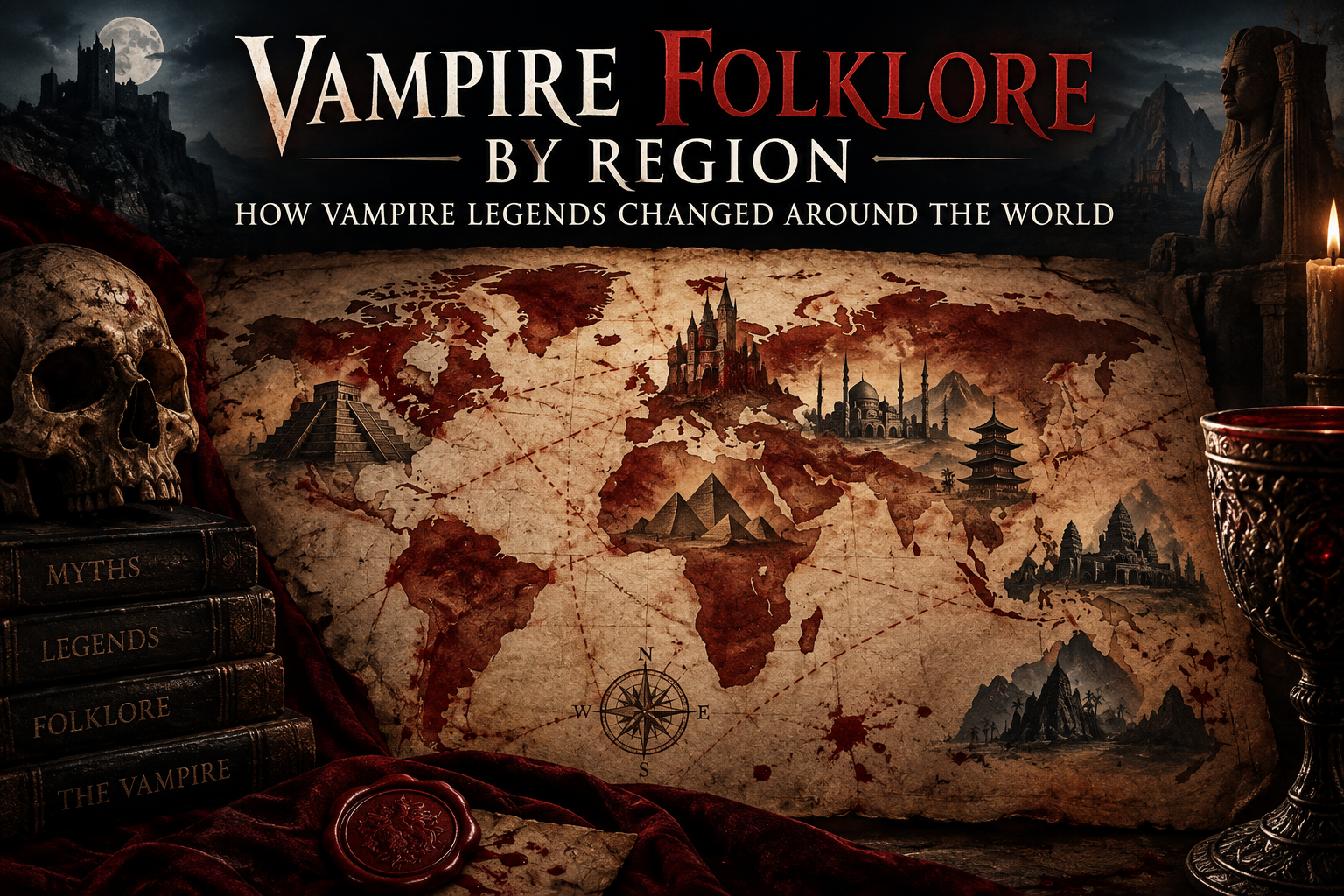
The concept of creatures feeding on the living dates back thousands of years. Ancient Mesopotamian civilizations feared demonic beings that preyed upon humans during the night. Similar legends appeared in Ancient Greece, Rome, and Hebrew folklore, where spirits and revenants were believed to return from the grave to torment the living.
In Ancient Greece, creatures such as the lamia and empusa were said to seduce and consume human victims. In India, the vetala inhabited corpses and haunted cremation grounds, while African folklore described blood-drinking spirits and shape-shifting predators. These stories demonstrate that fear of the undead was nearly universal across early cultures.
Eastern Europe and the Birth of the Modern Vampire
Although vampire-like beings existed worldwide, the modern image of the vampire emerged primarily from Eastern European folklore during the 17th and 18th centuries. Regions such as Serbia, Bulgaria, Romania, Croatia, and Hungary became centres of vampire hysteria.
Villagers believed that certain dead individuals could rise from the grave and spread disease, attack family members, or drain life from the living. Corpses that appeared unusually preserved or bloated after burial were often interpreted as proof of vampirism. In reality, these were natural effects of decomposition poorly understood at the time.
One of the earliest documented “real” vampires was Jure Grando, a man from Istria whose legend spread during the 1600s. According to local accounts, he returned from the grave to terrorize villagers after his death.
Fear, Disease, and Superstition
Many historians believe vampire legends were amplified by epidemics and misunderstood illnesses. During the Middle Ages, diseases such as plague, rabies, tuberculosis, and porphyria created terrifying symptoms that people could not explain scientifically. Victims might appear pale, sensitive to sunlight, delirious, or bloodstained around the mouth, reinforcing beliefs in the undead.
Rabies, in particular, may have influenced vampire folklore because it spreads through bites and can cause aggression, sensitivity to light, and disturbed sleep patterns. In isolated rural communities, fear and superstition easily transformed disease outbreaks into tales of vampires.
Religion and the Undead
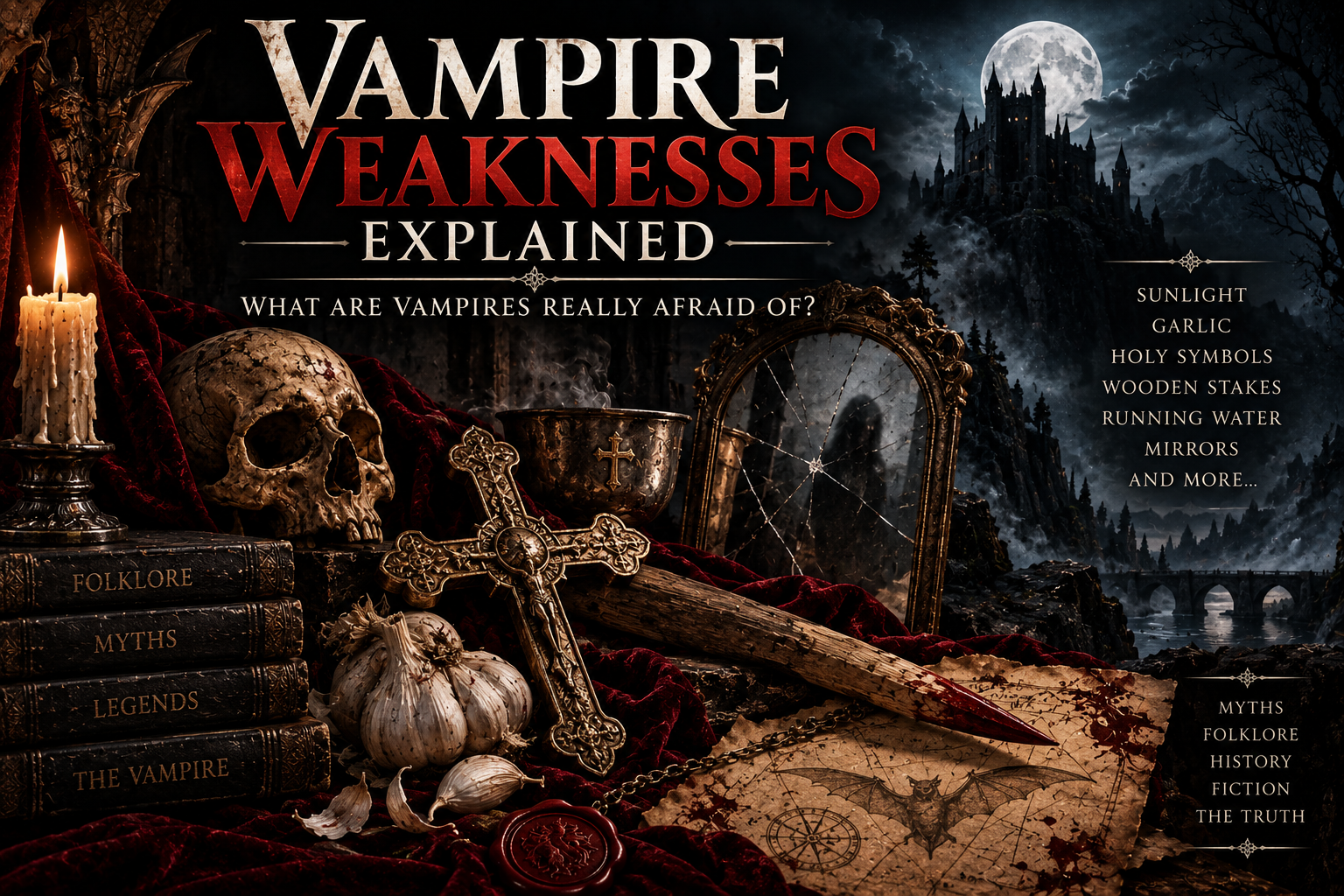
As Christianity spread through Europe, vampire folklore absorbed religious symbolism. The undead became associated with evil, sin, and demonic forces. Crosses, holy water, and consecrated ground became traditional protections against vampires. The belief that a cursed or sinful person might rise after death strengthened the vampire’s role as a supernatural warning against immoral behaviour.
Methods used to prevent suspected vampires from rising included staking corpses through the heart, decapitation, burning bodies, or placing objects in graves to trap or distract the undead. Archaeologists have discovered graves across Europe where bodies were buried with stones in their mouths or pinned down with iron implements, suggesting genuine fear of revenants.
Dracula and the Transformation of the Vampire
The vampire legend changed dramatically in the 19th century through Gothic literature. Writers transformed the vampire from a rotting peasant corpse into a seductive aristocratic predator. The most influential figure was Dracula, written by Bram Stoker in 1897.
Stoker drew inspiration from Eastern European folklore and the historical figure Vlad the Impaler, though the real Vlad was not believed to be a vampire. Dracula established many traits now associated with vampires, including immortality, fangs, hypnotic powers, and vulnerability to sunlight and holy symbols.
The Vampire in Modern Culture
Today, vampires remain central figures in horror and fantasy fiction. From silent cinema to modern television series, the vampire has evolved continually to reflect cultural anxieties and desires. Some portrayals emphasize horror and predation, while others present vampires as tragic, romantic, or even heroic figures.
Modern vampires appear in countless books, films, and television series, from Nosferatu to Buffy the Vampire Slayer and Interview with the Vampire. Despite these reinventions, the core fear remains unchanged: death itself returning to feed upon the living.
Why Vampire Legends Endure
The enduring power of vampire legends lies in their connection to universal human fears — death, disease, immortality, temptation, and the darkness hidden within humanity itself. Vampires embody both horror and fascination. They are monsters that blur the boundary between life and death, human and beast, desire and destruction.
From ancient burial fears to modern Gothic fiction, the vampire legend continues to evolve because it speaks to something timeless within the human imagination.
For more information take a look at the ultimate guide to vampire fiction.
Written by : AJS

Subscribe To My Newsletter
For book news, sneak-peaks, give-aways, fascinating stories of vampires, dark fantasy and horror from around the world, as well as the FREE novella, "Speak of the Devil," sign up for all this and more.
Link up with other link-minded fans of the dark and macabre.
Come. Join us.